My Journey with Kimono Began with Tea Ceremony
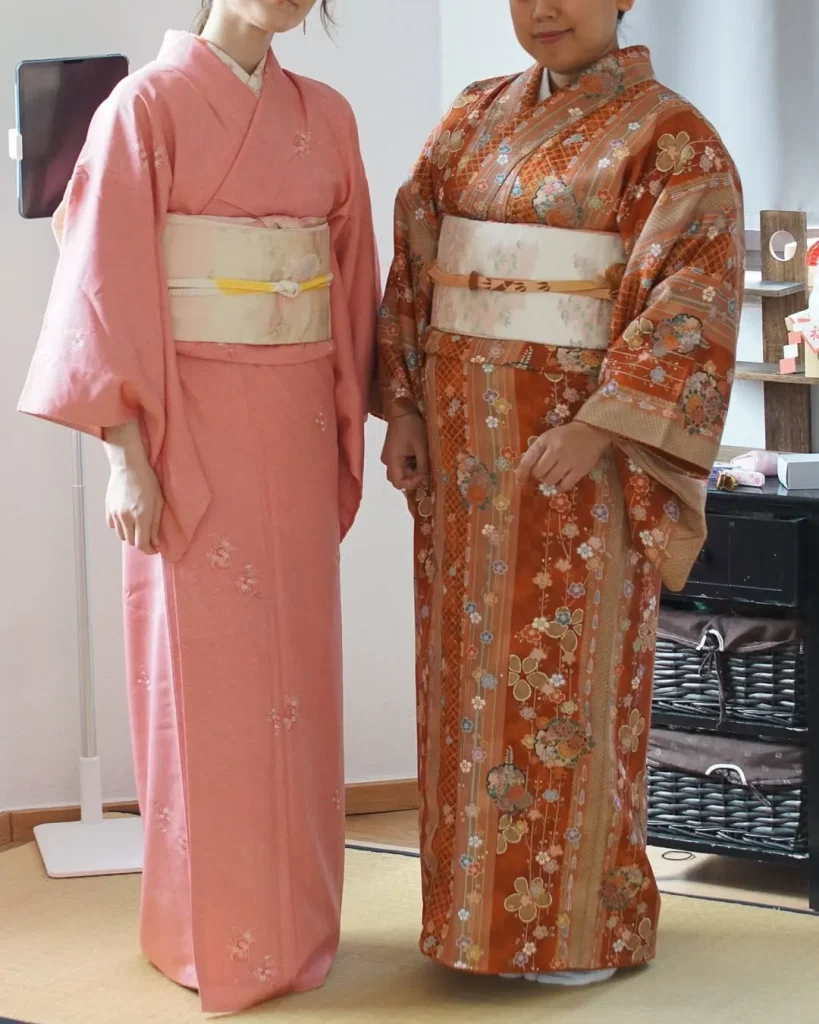
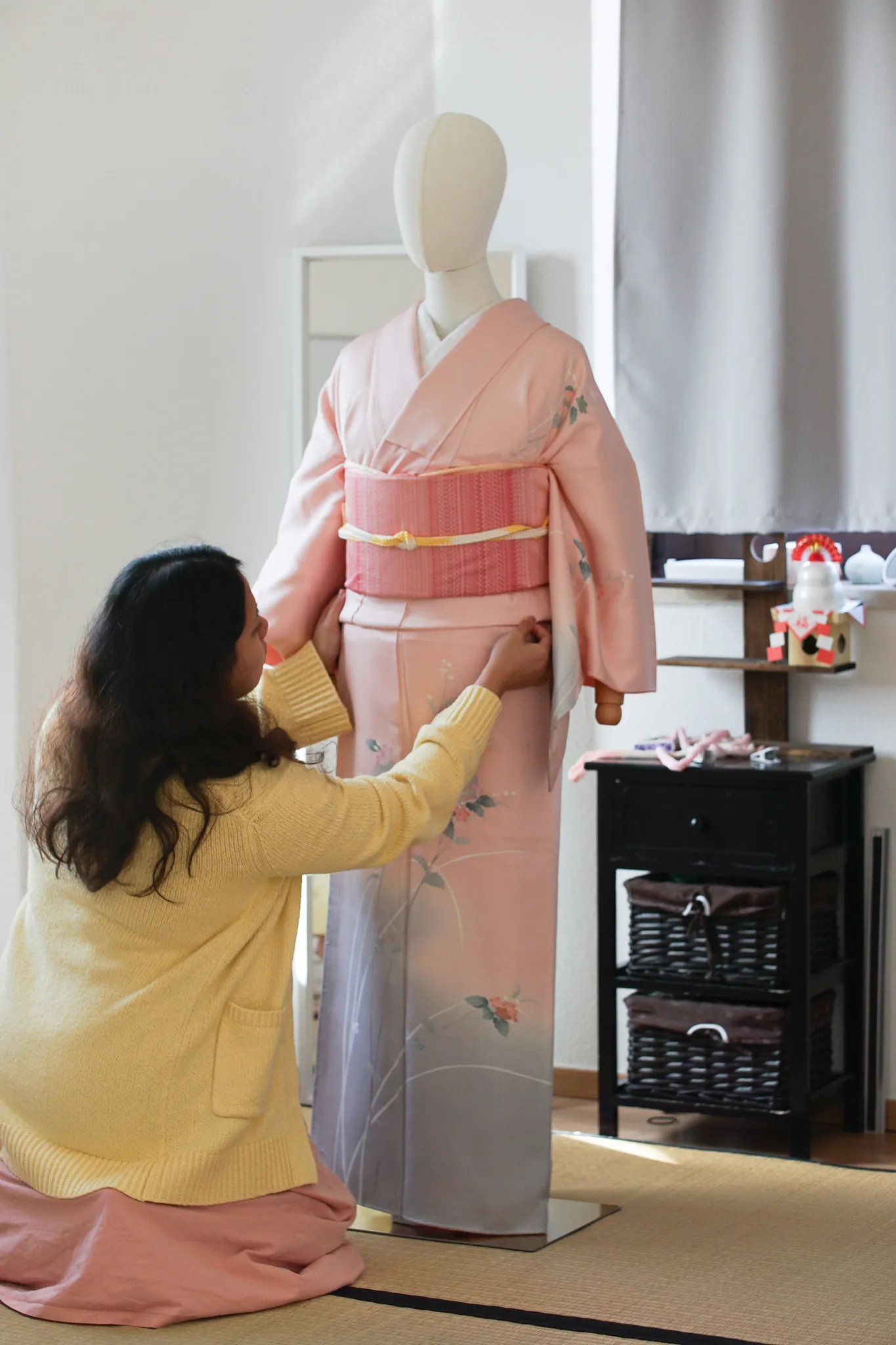
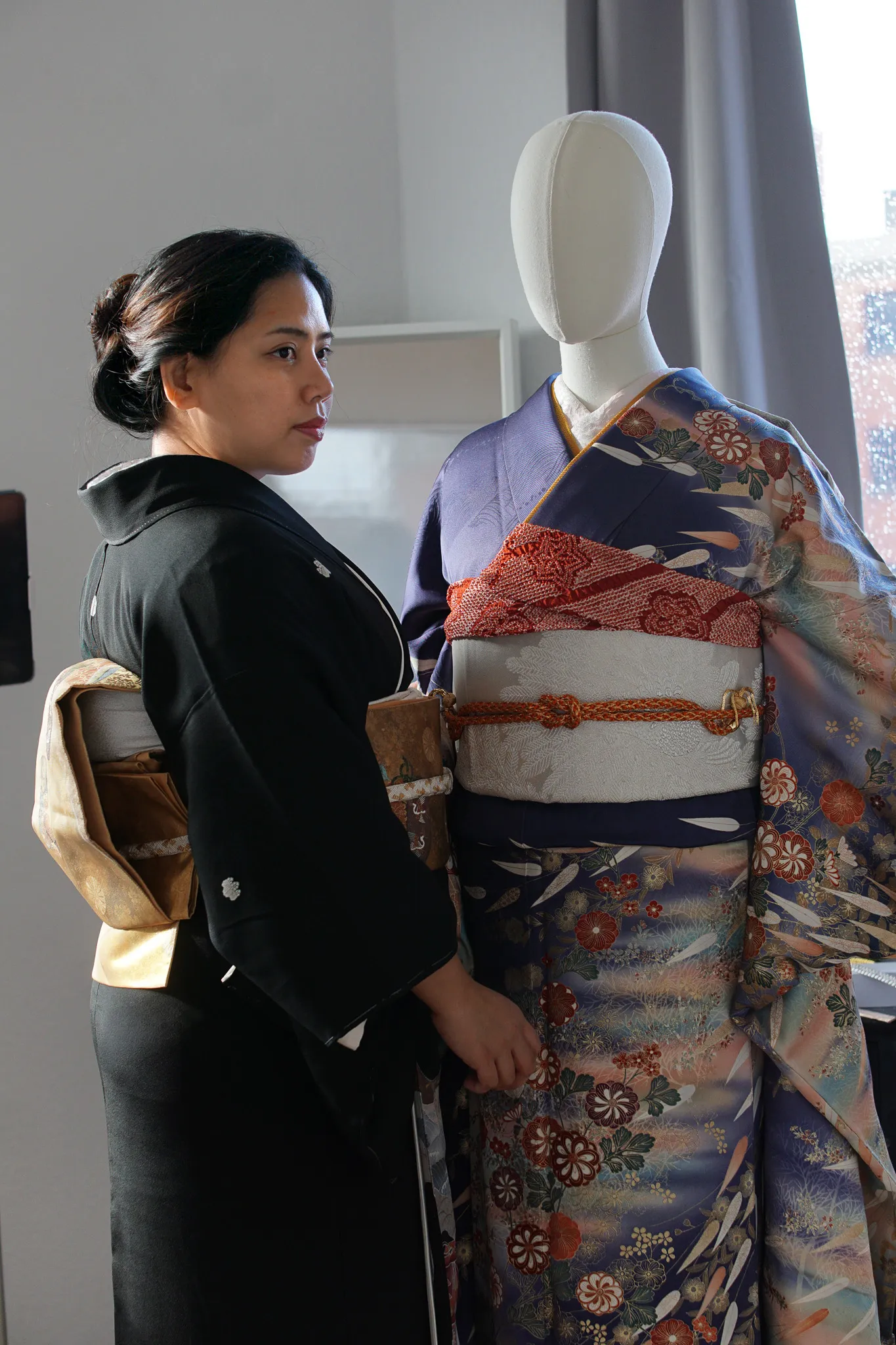
I’m Yen, based in Neuss near Düsseldorf, and I am professionally trained in kitsuke, the traditional art of dressing in kimono.
I discovered kimono through the Japanese tea ceremony. When I began studying tea, I did not want to wear kimono only on special occasions. I wanted to learn how to dress myself and better understand how kimono, obi and the various accessories work together.
What began as a practical wish gradually became an important part of my life.
Learning, Wearing and Continuing to Learn
At first, dressing in kimono seemed complicated to me.
There were many unfamiliar garments, new terms and rules. At the same time, I was fascinated by how small changes to the collar, obi or choice of accessories could completely transform the overall appearance of a kimono.
I began studying kitsuke, coordination and Japanese clothing culture more intensively. I am professionally trained in kitsuke and learned my techniques from experienced teachers in Japan. At the same time, I continue to develop my skills and am currently working towards my qualification as a kimono dressing instructor.
For me, continuing to learn is simply part of the process. Kimono is a vast subject, and there is always something new to discover.
What Kimono Means to Me
To me, kimono is neither a costume nor something intended only for photographs or special occasions.
Kimono is clothing.
It is clothing in which technique, material, season, occasion and the personality of the wearer all come together. The same combination can look completely different on two people. That is exactly what I find so interesting.
I want to wear kimono with respect, but I do not want fear of making mistakes to keep it hidden away in a wardrobe.
You do not need to know every rule from the beginning. What matters more is simply starting, asking questions and becoming more confident each time you wear kimono.
Why I Teach Kimono
Outside Japan, it is not always easy to find clear information, personal instruction or other people who share the same interest.
I want to pass on what I have learned and help others not only admire kimono, but actually wear it themselves.
In my lessons, it is important to me to explain each step clearly and to adapt to the individual. Every body, every level of experience and every reason for wearing kimono is different.
My aim is not to make kimono seem more complicated or inaccessible than it needs to be.
I want to help you find your own way of approaching it.
Kimono, Tea and Biyori
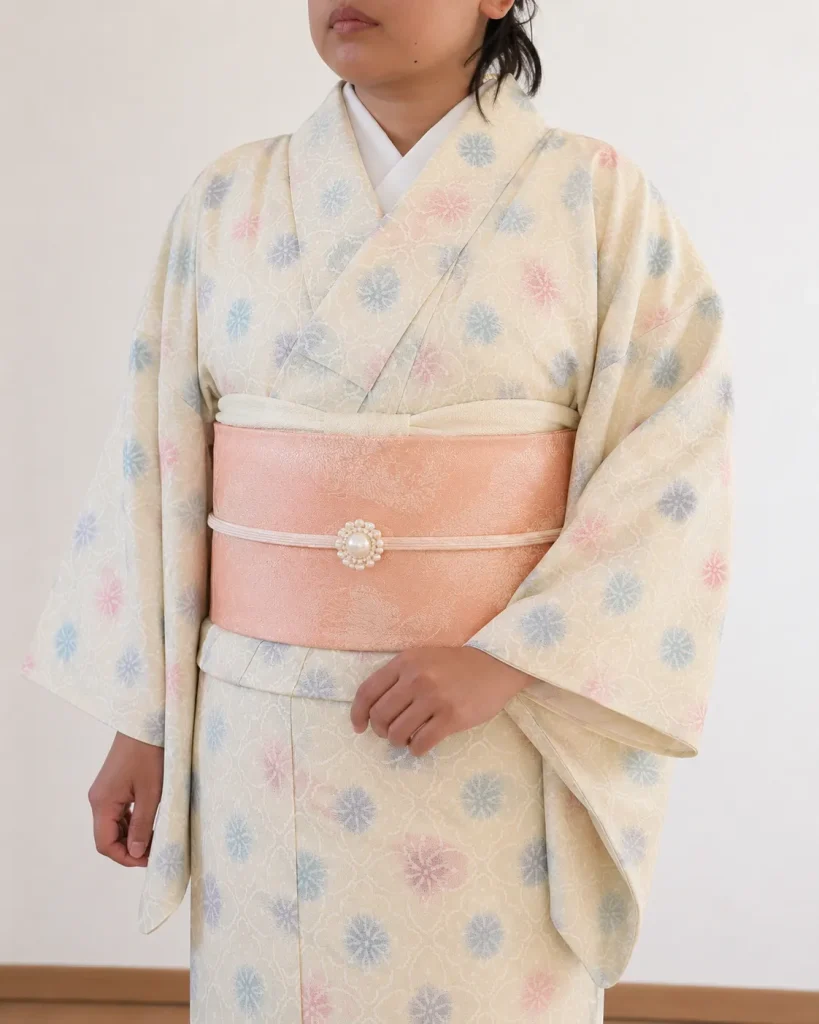
For me, kimono is closely connected to tea ceremony, the seasons and many other aspects of Japanese culture.
Under the name Biyori, I share these interests through kimono lessons, dressing services, gatherings and cultural projects in Germany.
My journey with kimono is not yet complete—and that is an important part of it.
Kimono does not have to begin with perfection.
It can begin with curiosity.