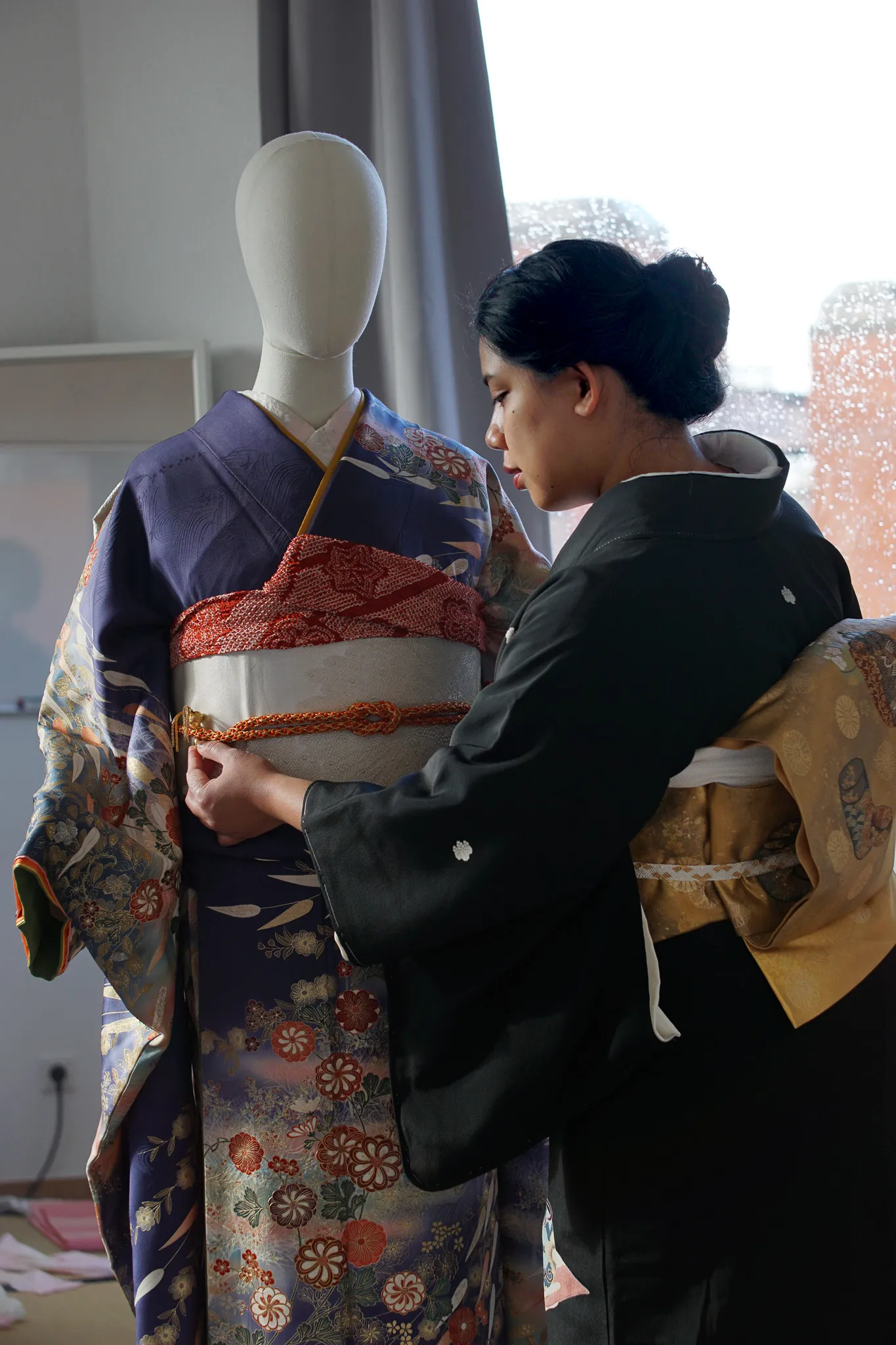
Kimono, worn and understood
Kimono is more than something to admire. Through lessons, professional dressing and cultural projects in Düsseldorf, I share it as clothing to be worn, understood and experienced personally.
Finding your way into kimono
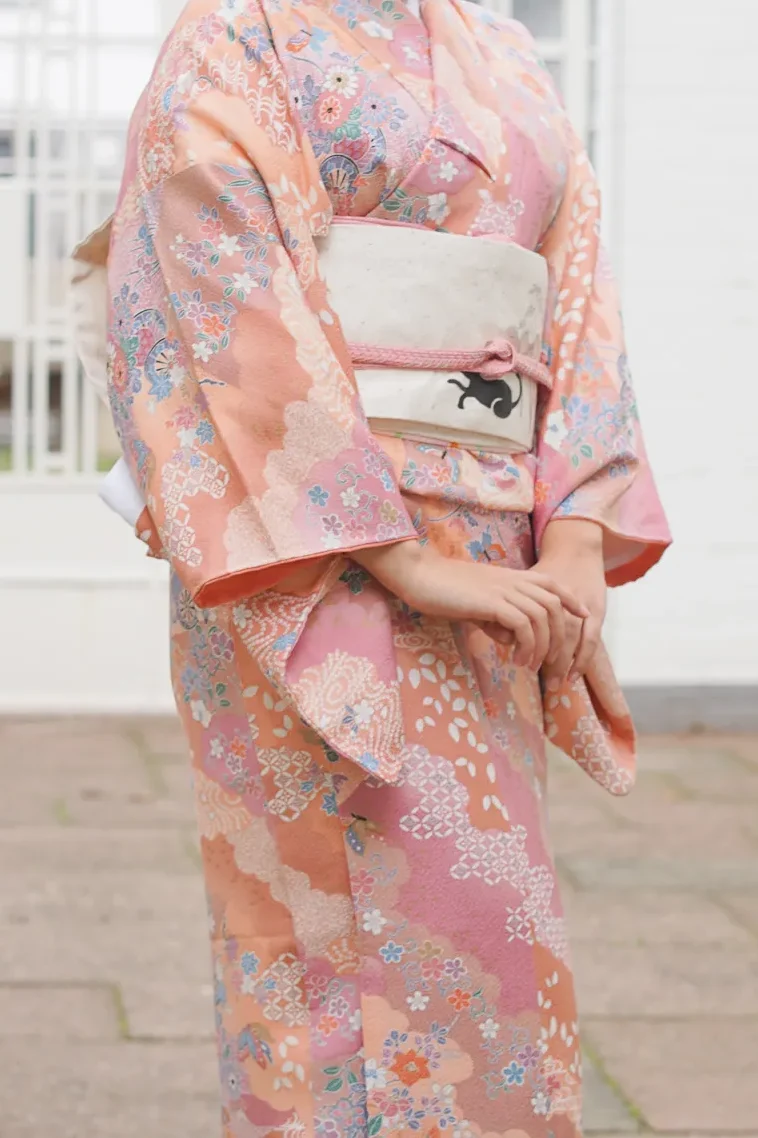
Learning to dress yourself
From the first unfamiliar layers to dressing with growing confidence, each lesson follows your own experience and pace—whether in person or online.
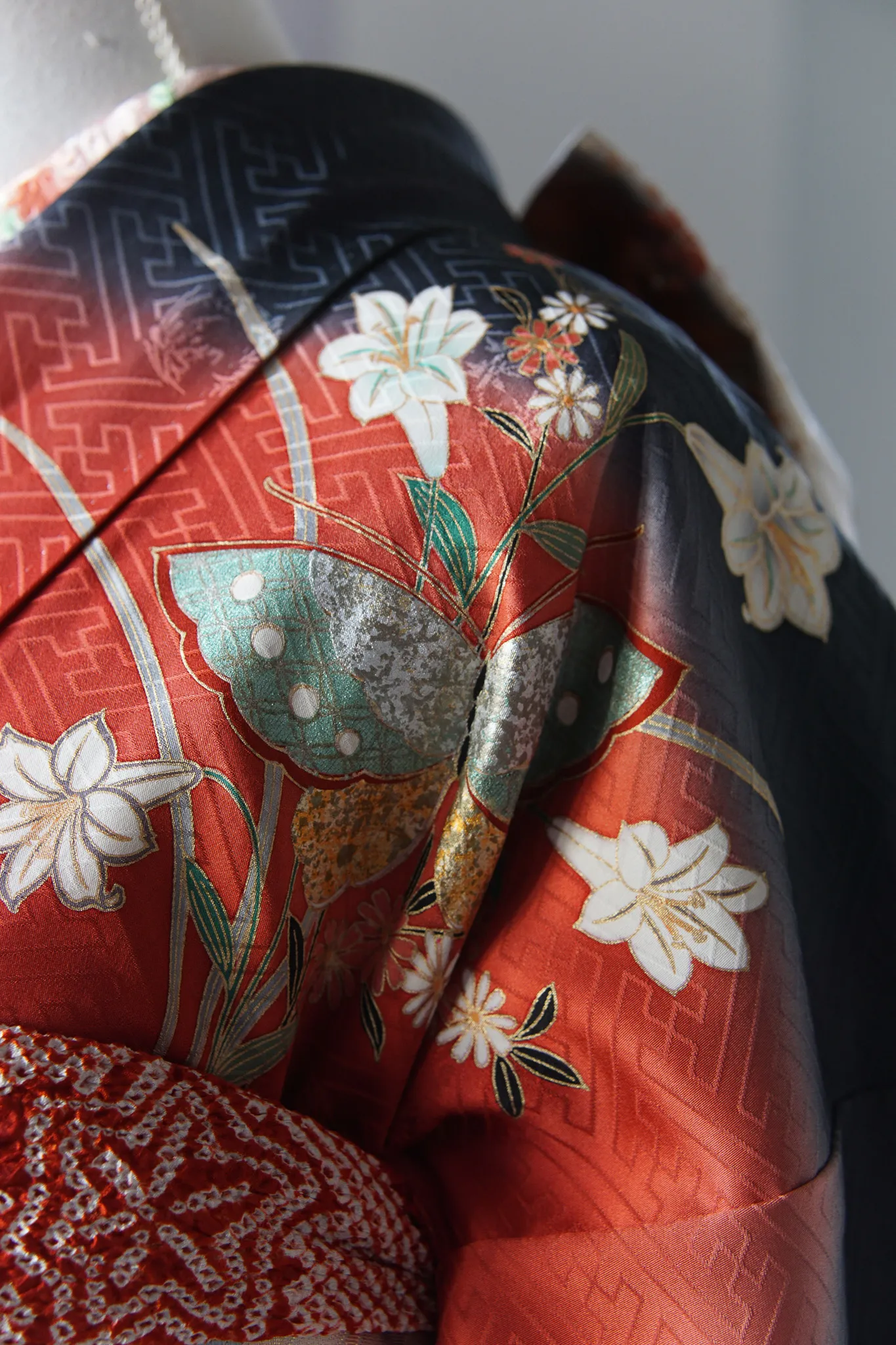
Dressing for an occasion
Professional kitsuke and a considered selection of kimono for occasions that call for something memorable.
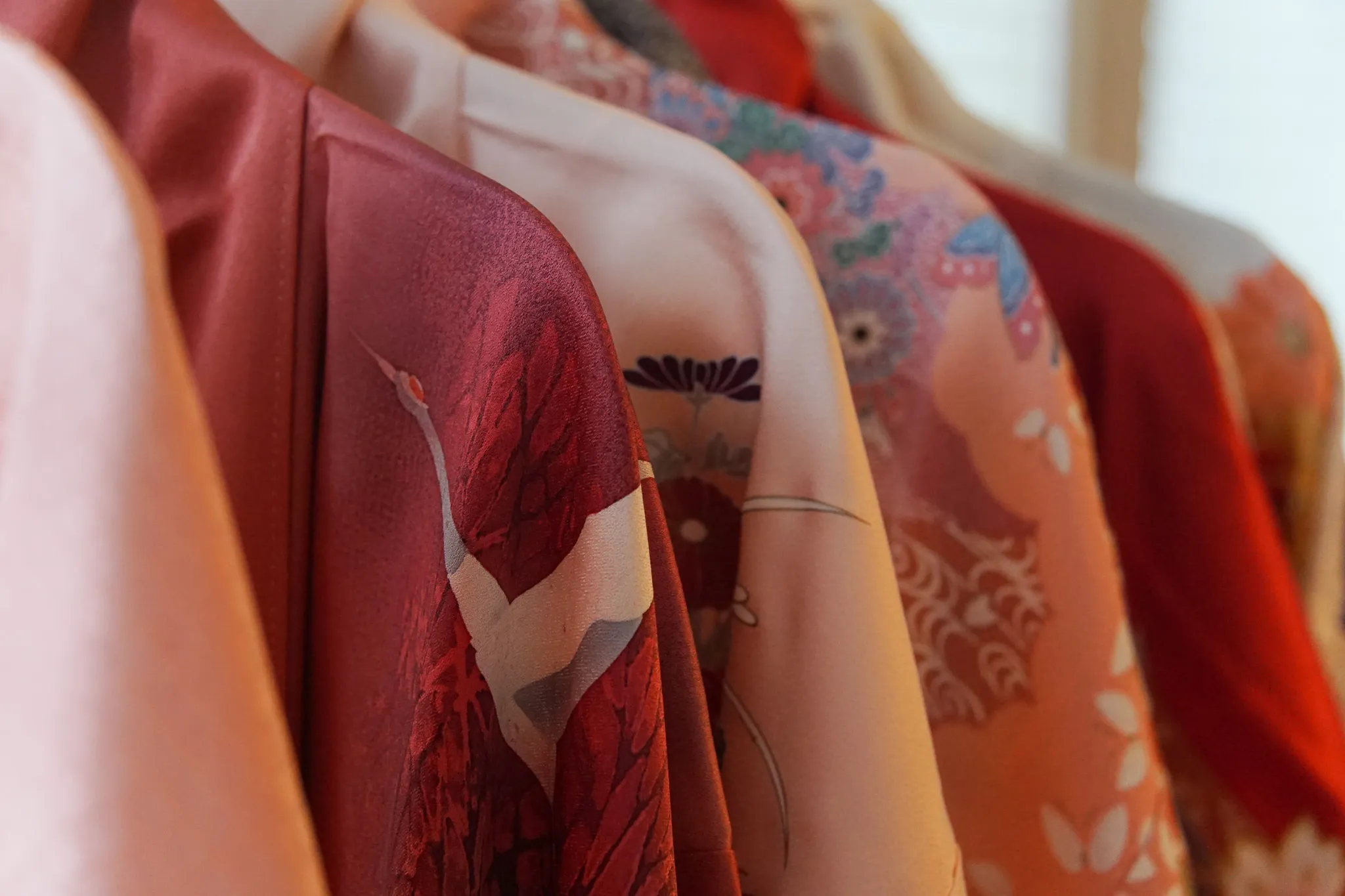
Bringing kimono into a project
Kimono can become part of an exhibition, cultural programme, stage or visual production. I offer dressing, consultation and practical support according to the character of each project.
Kimono is not a costume to me
My own path to kimono began with the Japanese tea ceremony. What started as an admiration for beautiful fabrics gradually became a desire to understand them: how a kimono is constructed, how its proportions respond to the body and how natural it can feel once we learn to wear it ourselves.
Today, I am professionally trained in kitsuke. In my lessons and dressing work, I want to pass on more than a sequence of techniques. I want to create a personal way into kimono—one that begins with knowledge and becomes part of the wearer’s own experience.
How we learn at Biyori
Dressing in kimono is not simply a matter of remembering one step after another. Fabric, proportion and movement all influence the final form.
At Biyori, there is time to look closely, repeat unfamiliar movements and understand why each step matters. The aim is not merely to complete the dressing, but to become familiar with the kimono in your own hands.
Technique with context
I guide you through each stage of dressing while explaining the reasoning behind it. Understanding the structure makes the individual movements easier to remember and adapt.
Close guidance
Lessons take place individually or in small groups, giving me time to observe how you move and respond directly to your questions.
Time to repeat
Some movements only become familiar through practice. We return to difficult steps until you can follow and reproduce them independently.
Working with your own kimono
If you already own a kimono and its accessories, we can use them during the lesson. In this way, you learn not only a general method, but the particular character of the pieces you hope to wear.
Kimono, worn together
The Biyori Kimono Gathering brings together people in NRW who want kimono to leave the wardrobe and become part of real life.
We meet for different occasions, learn from one another and spend time with others who share the same curiosity. Experience is welcome, but never required.
From the Biyori Journal
-
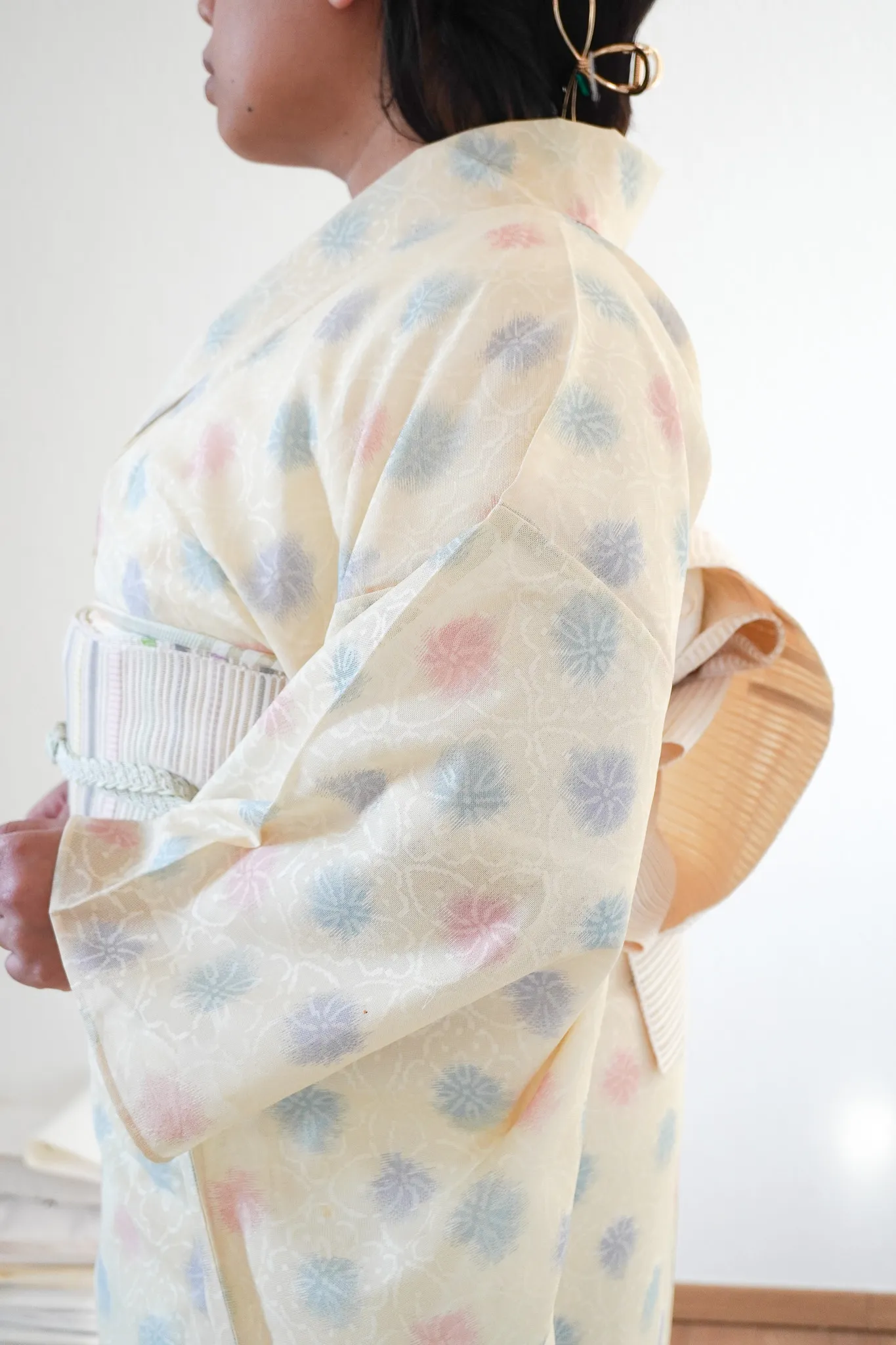
Summer Kimono: When Fabric Lets the Light Through
Kimono changes with the arrival of summer. Fabrics become lighter, their structures more open, and the individual layers begin to interact with the light. From a distance, ro and sha can appear understated. Only when we look more closely do we notice the fine spaces in the weave that make the fabric seem almost transparent.…
-
Kimono changes with the arrival of summer. Fabrics become lighter, their structures more open, and…